


ทุกท่าน เคยเลือกที่จะไม่ทำบางอย่าง เพราะคิดว่าเราไม่มีส่วนเกี่ยวข้องกันไหม
และเคยตั้งคำถามไหมว่า แท้จริงแล้ว เราไม่มีบทบาทในเรื่องนั้นจริงๆ หรือเพียงเพราะเรายังไม่เข้าใจเรื่องนั้นดีพอ จึงมองไม่เห็นความเกี่ยวข้องในบริบทของเรา?
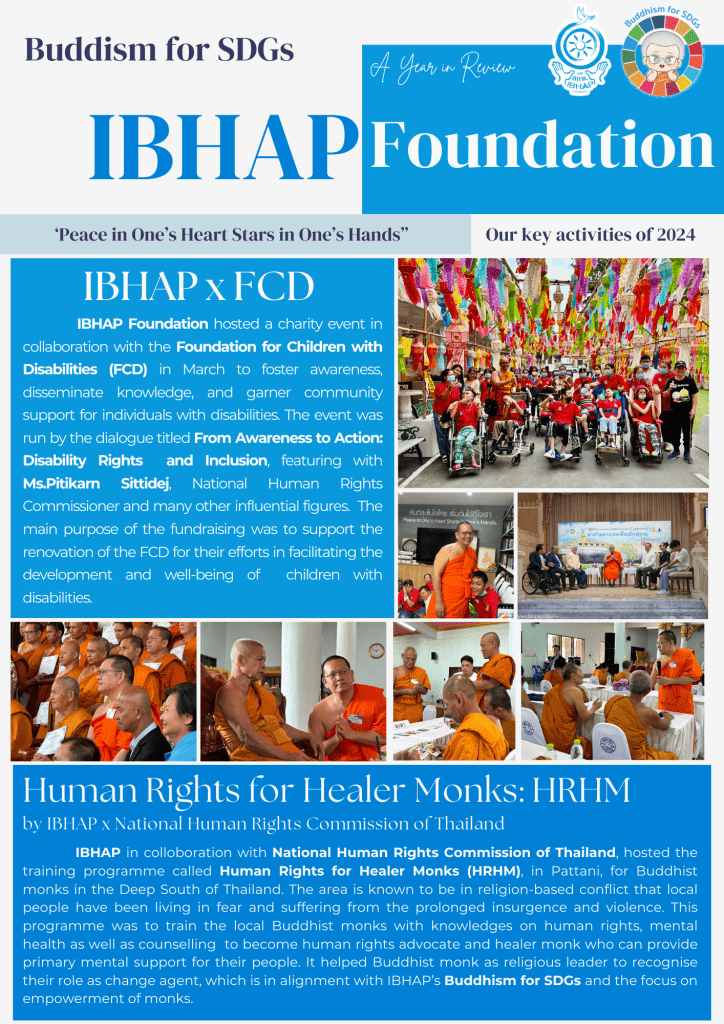
เช่นเดียวกัน ถ้ามองอย่างผิวเผิน ก็คงไม่แปลกที่อาจจะดูเหมือนว่ามีเพียงศูนย์เดียว จากทั้งหมด 5 ศูนย์ของ IBHAP Foundation ที่มีความเกี่ยวข้องกับเรื่องสิ่งแวดล้อม คือ ศูนย์สุขภาพจิตและสุขภาวะโลก (Mental and Planetary Health Centre) ซึ่งตั้งมาเพื่อขับเคลื่อนเรื่องนี้โดยตรง โดยมุ่งเน้นไปที่บริบทของ Planetary Health ซึ่งหมายรวมถึงความเป็นอยู่ที่ดีของโลกและคนบนโลก ทั้งสุขภาวะกายและสุขภาวะจิต
แต่ถ้าพิจารณาเรื่องสิ่งแวดล้อมให้ลึกลงไปแล้ว จะพบว่า เรื่องสิ่งแวดล้อมมีความเกี่ยวพันในมิติอื่นๆอีกมากมาย ซึ่งต้องการการจัดการที่มีประสิทธิภาพเช่นกัน
ดังนั้น ศูนย์อื่นๆอีก 4 ศูนย์ ที่แม้ว่าชื่อศูนย์อาจไม่เกี่ยวข้องกับสิ่งแวดล้อม แต่แต่ละศูนย์ล้วนเป็นกำลังสำคัญในการสร้างความตระหนักและผลักดันด้านสิ่งแวดล้อม ในบริบทต่างๆกัน ดังนี้…
1. ศูนย์ความร่วมมือเยาวชนส่งเสริม (Youth-Empowered Partnership Centre)
เนื่องจากเยาวชน เป็นกลุ่มประชากรที่มีแนวโน้มจะต้องเผชิญกับปัญหาสิ่งแวดล้อมในอนาคต ที่มีแนวโน้มแย่ลงเรื่อยๆ การผลักดัน เสริมศักยภาพ และให้พื้นที่ในการมีส่วนร่วมของเยาวชน เป็นส่วนหนึ่งของการทำให้เกิดการรับประกันว่า การขับเคลื่อนงานเพื่อจัดการปัญหาด้านสิ่งแวดล้อมจะคงอยู่และดำเนินต่อไปในอนาคต นอกจากนี้ยังเป็นการส่งเสริมการพัฒนาศักยภาพมนุษย์ ซึ่งเป็นส่วนหนึ่งของการพัฒนาสังคม รวมถึงการเคารพสิทธิ์ในการมีบทบาทในฐานะสมาชิกของสังคมอีกด้วย ในส่วนนี้ YEP Centre สามารถเป็นกำลังสำคัญในการให้พื้นที่การมีส่วนร่วมของเยาวชน รวมทั้งพัฒนาศักยภาพให้เยาวชนที่อาจจะยังไม่มีความรู้และประสบการณ์เพียงพอที่จะมีส่วนร่วมได้นั้น มีศักยภาพเพียงพอ และสร้างความตระหนักให้กับเยาวชนถึงสิทธิ์ในการมีส่วนร่วมของตนเอง
2. ศูนย์สิทธิมนุษยชนและความครอบคลุมทางสังคม (Human Rights and Social Inclusion Centre)
ปัญหาสิ่งแวดล้อมมีความเกี่ยวเนื่องไปถึงปัญหาด้านสิทธิมนุษยชน ที่นอกจากจะเป็นการละเมิดสิทธิมนุษยชนโดยตรงแล้ว เช่น สิทธิ์ในการมีชีวิต (Right to Life) ยังทำให้คุณค่าของสิทธิมนุษยชนถูกลดทอน อีกทั้งยังทำให้ปัญหาความไม่เท่าเทียมที่มีอยู่เดิมในสังคมทวีความรุนแรงขึ้น
เช่น หากเรามีส่วนทำให้โลกร้อนขึ้น และภาวะโลกร้อนนี้ ไปเอื้อให้เกิดการระบาดของโรคติดเชื้อซึ่งทำอันตรายให้กับคนบางกลุ่มได้มากกว่าคนกลุ่มอื่นๆไม่ว่าจะด้วยความต่างด้านร่างกายหรือสถานะทางเศรษฐกิจและสังคม นั่นหมายความว่า เรามีส่วนในการละเมิดสิทธิมนุษยชน อย่างน้อย 2 สิทธิ์ ได้แก่ สิทธิ์ในการมีชีวิต (Right to Life) และสิทธิ์ในการไม่ถูกแบ่งแยก (Right to Non-discrimination)
หากแต่ประเด็นเหล่านี้ในบริบทของสิ่งแวดล้อม มักถูกมองข้ามไป ทำให้คนยังขาดความตระหนัก ในมุมเหล่านี้ ศูนย์สิทธิมนุษยชนและความครอบคลุมทางสังคม จึงสามารถเป็นกำลังสำคัญในการ address ประเด็นเหล่านี้ให้เป็นที่รับรู้มากขึ้น รวมถึงสร้างความตระหนักและ sense of ownership ของปัญหา ว่าปัญหาสิ่งแวดล้อมสามารถนำไปสู่ปัญหาทางสังคม และทำให้ความไม่เท่าเทียมในสังคมที่มีอยู่เดิมทวีความรุนแรงขึ้น ซึ่งเป็นการลดทอนคุณค่าของสิทธิมนุษยชน อีกทั้งยังสร้างความยากลำบากในการพิทักษ์สิทธิมนุษยชน ในแง่ของความครอบคลุมทางสังคม ศูนย์นี้ยังสามารถสร้างพื้นที่ในการมีส่วนร่วมและเป็นกระบอกเสียงให้กับกลุ่มคนชายขอบอีกด้วย
3. ศูนย์สานเสวนาเพื่อสันติภาพและการพัฒนาที่ยั่งยืน (Dialogue Centre for Peace and Sustainable Development)
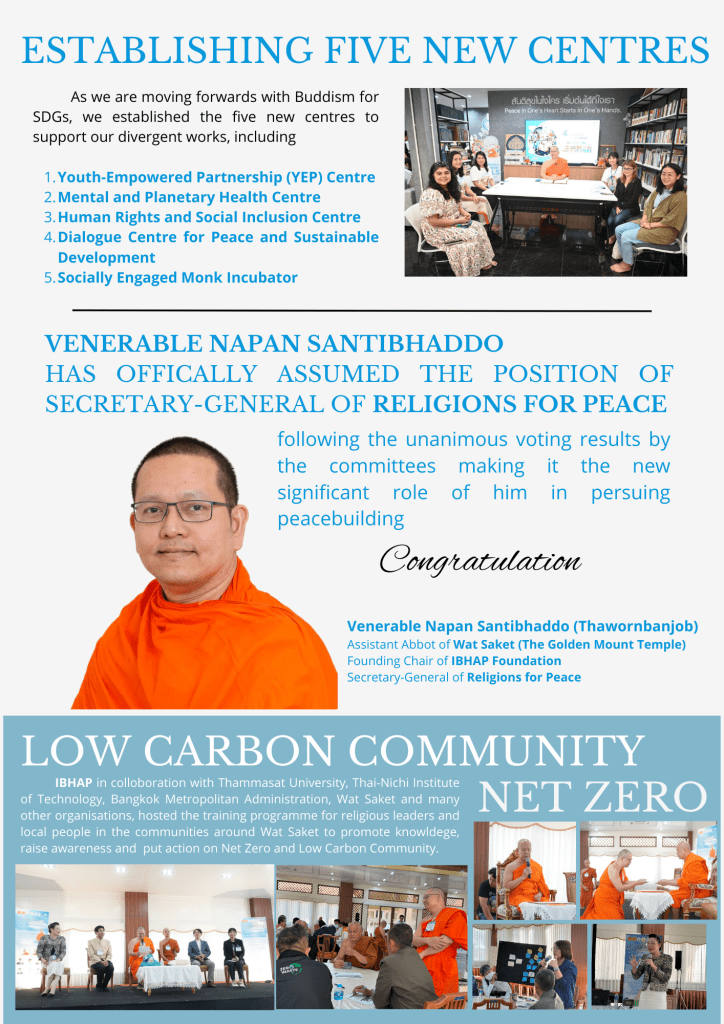
จากการที่พระอาจารย์นภันต์ได้รับนิมนต์ให้ไปแชร์หลักการและประสบการณ์การขับเคลื่อนงานเพื่อเป้าหมายการพัฒนาที่ยั่งยืนผ่านการบูรณาการคุณค่าของพระพุทธศาสนาในงานระดับนานาชาติหลายๆงาน โดยเฉพาะในบริบทของสิ่งแวดล้อม เช่น งาน COP16, COP29, Interfaith G20 & PaRD Annual Meeting และ G20 & PaRD Annual Forum และ Planetary Health Annual Meeting Malaysia (PHAM) 2024 เป็นเครื่องยืนยันว่าหลักการของ Buddhism for SDGs ได้รับความสนใจและการยอมรับในระดับนานาชาติ และจากการที่ การสานเสวนานั้น นับเป็นใบเบิกทางในการแลกเปลี่ยนเรียนรู้ และเปิดใจยอมรับซึ่งกันและกัน ศูนย์สานเสวนาเพื่อสันติภาพและการพัฒนาที่ยั่งยืนจึงสามารถเป็นกำลังสำคัญในส่งเสริมให้หลักการของ Buddhism for SDGs ได้เป็นที่รับรู้และเข้าใจในวงกว้างมากขึ้นไปอีก และถูกนำไปประยุกต์ใช้เพื่อผลลัพธ์เชิงบวก ในบริบทของศาสนาอื่นๆ ตั้งแต่ในระดับบุคคล ไปจนถึงระดับนานาชาติ เพื่อประโยชน์ของสังคมโลก ผ่านการสอดแทรกในการสานเสวนาระหว่างศาสนา (Interreligious Dialogue) และการสานเสวนาในบริบทอื่นๆ
4. ศูนย์บ่มพระผู้ประกอบกรรมเพื่อสังคม (Socially Engaged Monks Incubators)
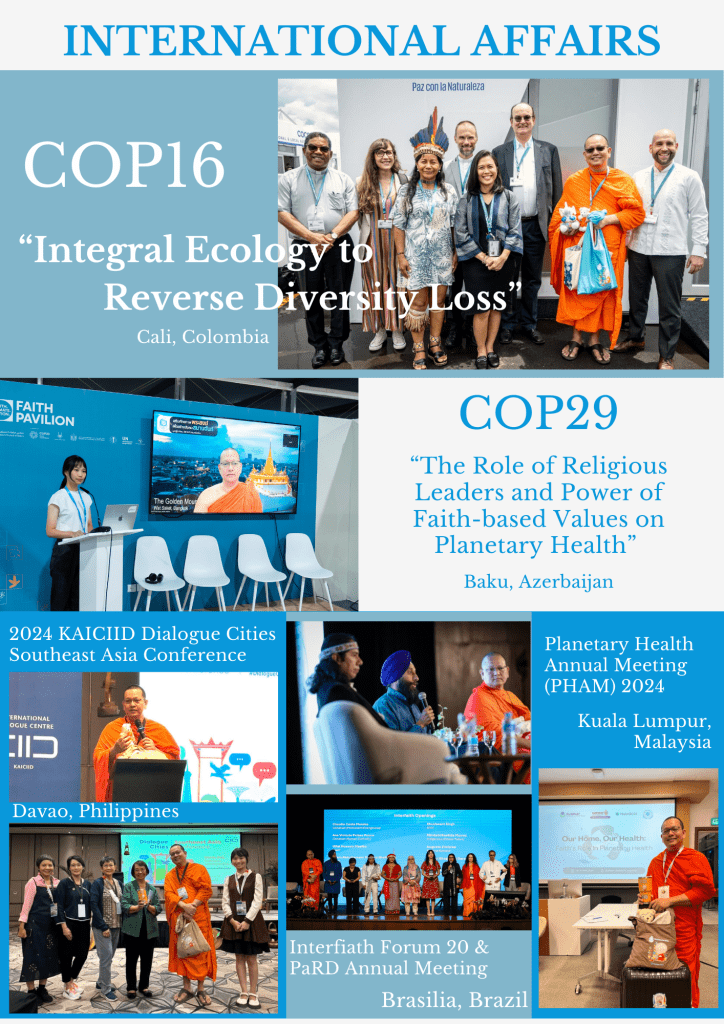
จากหลักการของ Buddhism for SDGs จะเห็นได้ว่า พระสงฆ์ โดยเฉพาะในสังคมพุทธ มีบทบาทมากมายนอกเหนือจากบทบาทในการเป็นผู้นำศาสนา ซึ่งบทบาทที่หลากหลายและความใกล้ชิดกับชุมชนของพระสงฆ์ นับเป็นเครื่องมือสำคัญในการค่อยๆแปรเปลี่ยนองค์ความรู้และนโยบายด้านสิ่งแวดล้อมในระดับนานาชาติ หรือระดับชาติ เป็นการปฏิบัติจริงในระดับบุคคลและระดับชุมชน ศูนย์บ่มพระผู้ประกอบกรรมเพื่อสังคม สามารถเป็นกำลังสำคัญในการสร้างความตระหนักถึงบทบาทในการเป็นสื่อกลางบูรณาการความเป็นต้นทุนทางสังคมของพระพุทธศาสนานี้ให้กับพระสงฆ์ และยังสามารถเป็นกำลังสำคัญในการพัฒนาศักยภาพและสร้างการมีส่วนร่วมอย่างยั่งยืน
นอกจากประเด็นด้านสิ่งแวดล้อมแล้ว ทั้ง 5 ศูนย์ ยังมีความเกี่ยวข้องและสามารถส่งเสริมขับเคลื่อนงานด้านต่างๆได้ในบริบทของตน ไม่ว่าจะเป็นงานด้านสันติภาพ งานด้านการศึกษา และงานด้านอื่นๆอีกมากมายที่ IBHAP Foundation กำลังขับเคลื่อน…
ท่านเองก็เช่นกัน ^__^


Key takeaway ที่ได้จากวันสุดท้ายของงาน 2024 KAICIID Dialogue Cities Southeast Asia Conference ที่เมือง Davao ประเทศฟิลิปปินส์ คือ
1. Interreligious Dialogue เป็นเรื่องของ mindset
2. Relationship คือส่วนสำคัญในการสร้างสันติ
สองประเด็นนี้ ถูกแชร์ตรงกันโดยผู้ที่อุทิศตนทำงานด้านสันติภาพมาอย่างยาวนาน ดังเช่นคำที่ว่า “Great minds think alike”
โดยประเด็นแรก พระอาจารย์นภันต์ได้แชร์ไว้ในระหว่างการให้สัมภาษณ์ในส่วนของ Press Conference ของงานนี้ว่า
“Interrelious Dialogue ไม่ใช่เพียงแค่เรื่องของเครื่องมือ แต่เป็นเรื่องของ mindset ที่พร้อมจะเรียนรู้จากทุกคน รวมทั้งตัวเราเอง”
ซึ่งในพิธีปิดงานวันนี้ ศ. ดร. ฉันทนา หวันแก้ว ได้ฝากทิ้งท้ายไว้ว่า “Interreligious Dialogue ไม่ใช่ skill แต่เป็น mindset ที่พร้อมเข้าใจ เห็นใจผู้อื่น”
นอกจากนี้ นับเป็นเกียรติของคณะผู้ร่วมงานจากประเทศไทย ที่หลังพิธีเปิดงาน ได้มีโอกาสไปเยี่ยมชมบ้านและฟาร์มของคุณ Irene Santiago บุคคลสำคัญด้านสันติของฟิลิปปินส์และของโลก รวมทั้งได้พูดคุย และฟังประสบการณ์อันยาวนานของคุณ Irene
ประเด็นสำคัญจากคุณ Irene ที่นับว่าเป็น “Great minds think alike” นั้น คือ
สิ่งที่เป็นปัญหาในการสร้างสันติภาพ คือ เรื่องของ Relationship
เช่นเดียวกัน หากใครเคยได้ฟังการบรรยายของพระอาจารย์อยู่เสมอ จะเห็นว่าสิ่งที่คุณ Irene บอกนั้น สอดคล้องกับแนวคิดของพระอาจารย์ที่ถ่ายถอดผ่านเรื่องของ “3 ships” ว่า ในขณะที่ผู้คนกำลังจะจมน้ำตายท่ามกลางทะเลของความเกลียดชัง เรามี เรือ (ship) 3 ลำที่ช่วยชีวิตผู้คนได้ คือ
1. Relationship
2. Leadership
3. Friendship
เป็นเรื่องน่าคิด ที่ประเด็นเหล่านี้ ถูกเห็นตรงกันโดยนักสันติวิธีที่มีประสบการณ์การทำงานมาอย่างยาวนาน จึงเป็นหน้าที่ของผู้มีส่วนเกี่ยวข้องโดยตรง รวมถึงเราทุกคนที่จะลองพิจารณาและทบทวน เพื่อมองหาแนวทางการสร้างสันติภาพอย่างยั่งยืน



Replacing candles with trees in the Buddhist Ceremony, Candle-Light Triple Circumambulation, is one of our environmental efforts to enhance the translation of the global policy, Nature-based Solution (NbS) into local actions, by leveraging the value of Buddhism as social capital in raising awareness, inducing behavioral change and mobilising collective action. This initiative was originally created by the Tree for Dhamma Foundation. It is part of their MOU with other 17 organisations.
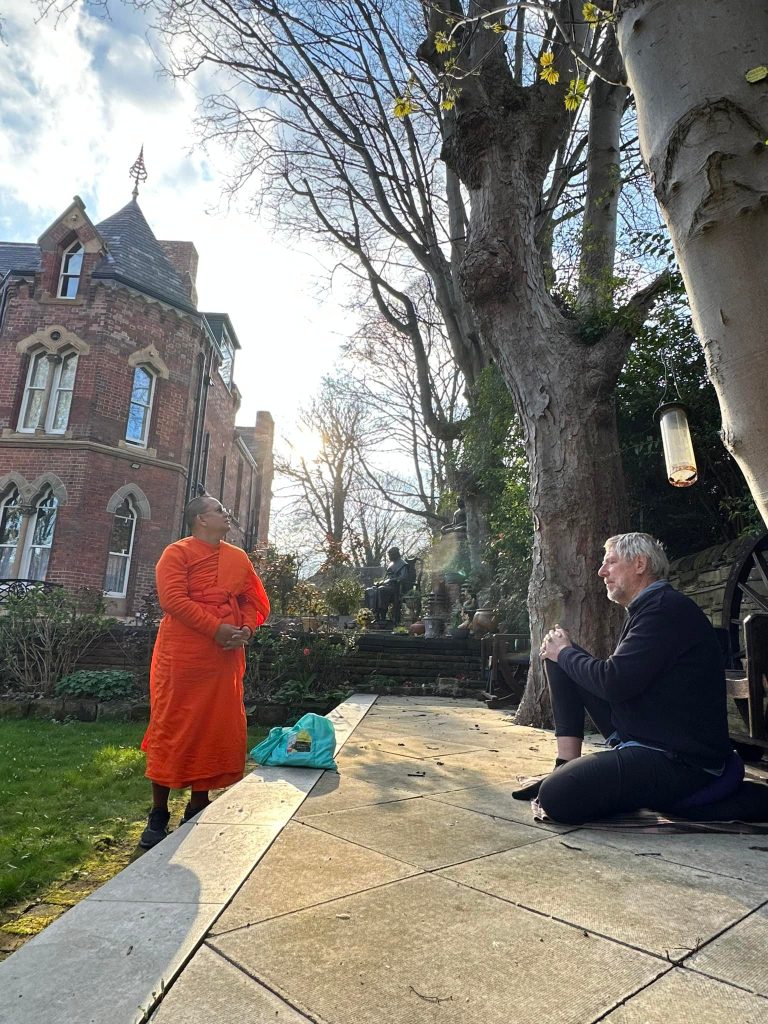
“มันสวยงาม ที่เห็นใครซักคนโดดลงไปในน้ำที่เหน็บหนาว และกลับขึ้นมาพร้อมกับชีวิตใหม่อีกครั้ง”
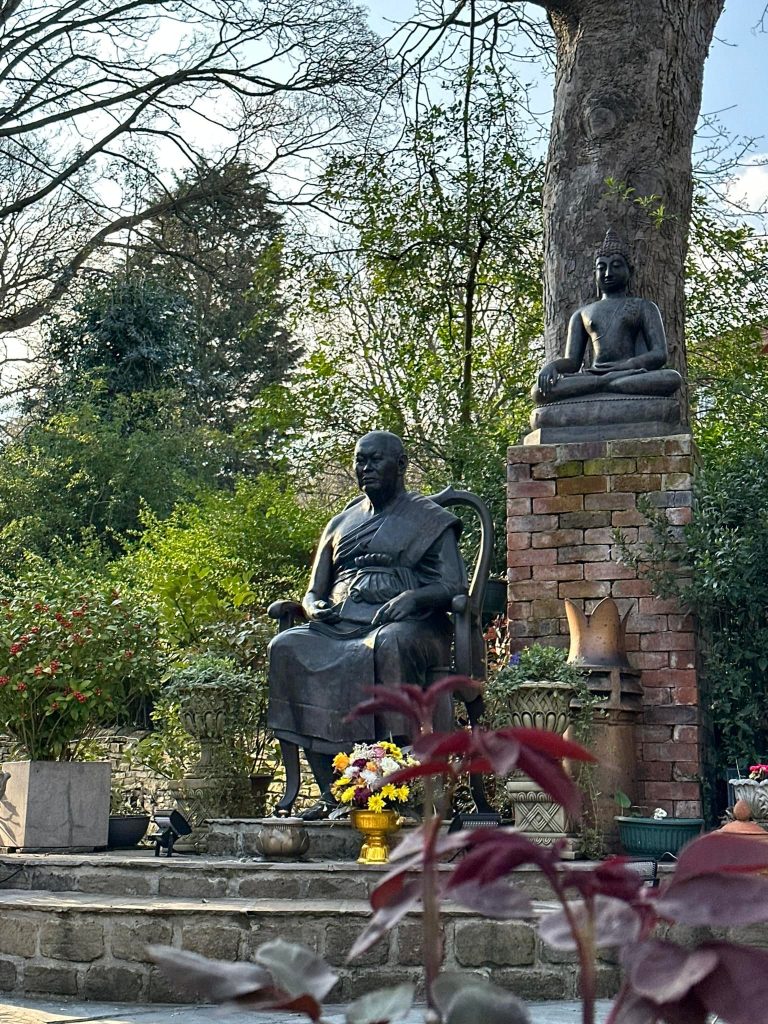
ประโยคนี้ มาจากอาจารย์ Richard ในระหว่างการสนทนาธรรมะและเรื่องอื่นๆในยามเย็นกับพระอาจารย์นภันต์ ที่วัดพุทธาราม Leeds โดยอาจารย์ได้แชร์ถึงกิจกรรมที่เคยได้รับความนิยมจากวัยรุ่นในขณะหนึ่ง ซึ่งรวมไปถึงลูกสาวของอาจารย์ Richard เองด้วย คือการกระโดดลงไปในน้ำที่เย็นเฉียบในช่วงฤดูหนาว และกลับขึ้นมา ซึ่งอาจารย์บอกว่า ทราบมาว่ากิจกรรมนี้ ช่วยการบำบัดอาการซึมเศร้าของบางคนได้ด้วย ราวกับว่าเมื่อลงไปเจอกับความหนาวจัดในน้ำ ด้วยเหตุผลอะไรบางอย่าง ทำให้เรากลับชึ้นมาราวกับเป็นคนใหม่ที่พร้อมจะมีชีวิตอีกครั้ง
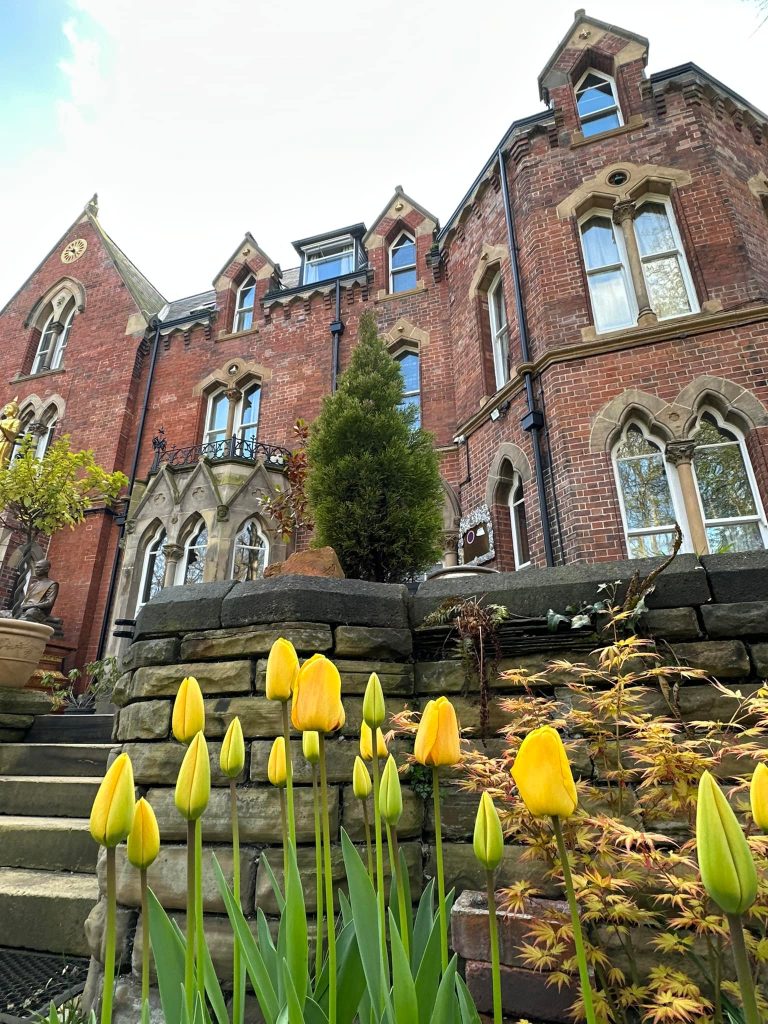
อาจารย์ สะท้อนถึงเรื่องนี้ว่า…
“It’s beautiful to see someone jumps into cold water, then comes back with life”
ซึ่งประโยคนี้ ยังคงสร้างความประทับใจให้กับแอดมินจนถึงทุกวันนี้ เพราะเสมือนเป็นการอุปมาอุปมัยถึงการใช้ชีวิตและเรื่องอื่นๆได้เป็นอย่างดี
ดั่งเช่นเวลาที่เราต้องเผชิญกับความยากลำบากในชีวิต ซึ่งบางครั้งอาจดูเหมือนว่าหนักหนาเกินกว่าที่เราจะผ่านมันไปได้ แต่สุดท้ายแล้ว เมื่อเราผ่านมันไป เราก็จะเติบโต ทั้งทางความคิด สติปัญญา และจิตวิญญาณ ราวกับมีชีวิตใหม่ขึ้นมาได้อีกครั้งหลังจากที่ต้องเผชิญความหนาวเหน็บ และความรู้สึกอึดอัดจากการที่กำลังจะจมน้ำ
ดั่งเช่นเวลาที่เราต้องเผชิญกับความยากลำบากในชีวิต ซึ่งบางครั้งอาจดูเหมือนว่าหนักหนาเกินกว่าที่เราจะผ่านมันไปได้ แต่สุดท้ายแล้ว เมื่อเราผ่านมันไป เราก็จะเติบโต ทั้งทางความคิด สติปัญญา และจิตวิญญาณ ราวกับมีชีวิตใหม่ขึ้นมาได้อีกครั้งหลังจากที่ต้องเผชิญความหนาวเหน็บ และความรู้สึกอึดอัดจากการที่กำลังจะจมน้ำ
ดังนั้น หากตอนนี้ท่านใดกำลังอยู่ในน้ำเย็นจัด ไม่ว่าจะเพราะตั้งใจที่จะโดดลงไปเอง พลัดตกลงไป หรือโดนผลักให้ตกลงไป ขอให้อย่าย่อท้อที่จะมีชีวิตรอดกลับขึ้นไปเจอชีวิตใหม่ที่ดีขึ้น และเติบโตขึ้น และเป็นข้อพิสูจน์ให้คนอื่นๆที่อาจจะกำลังเผชิญความยากลำบากคล้ายๆกัน ว่า เราจะผ่านมันไปได้
ปล. กิจกรรมนี้ มีความอันตรายในตัว และมีเคสคนเสียชีวิต ตามที่อาจารย์ Richard ได้แชร์ไปแล้ว ไม่ควรทำตาม